Toutes les informations concernant La Faune Terrestre de l'île de Saint-Martin / Sint Maarten
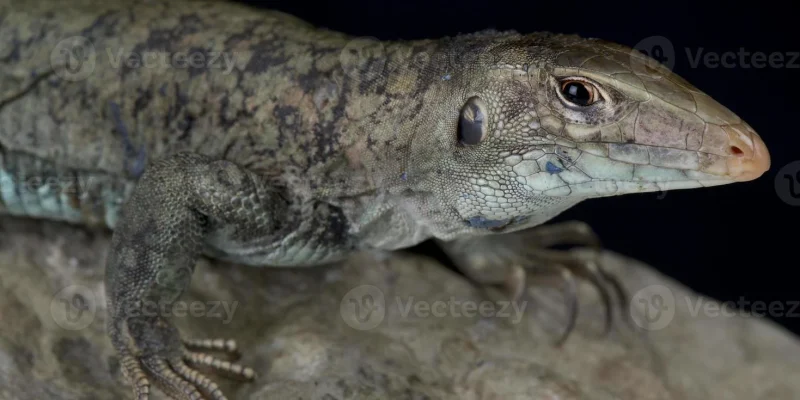
Ameives de Plee
This lizard frequents the backshore. It can also be found in gardens, on embankments and along stone walls. Very active, it hunts its prey by sticking out its tongue in search of scents that guide it. It catches grasshoppers, crickets, scorpions, spiders...
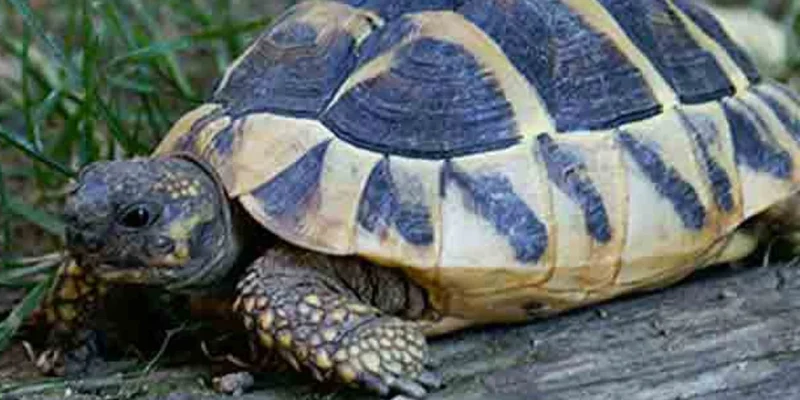
La tortue de terre
Called the "tortoise charbonnière" and locally "molokoï", it is native to Brazil. Those recorded in St Martin can measure up to 40 cm and weigh almost 5 kg! Although often hidden from view, you may come across them with the first rays of sunshine on their morning stroll.
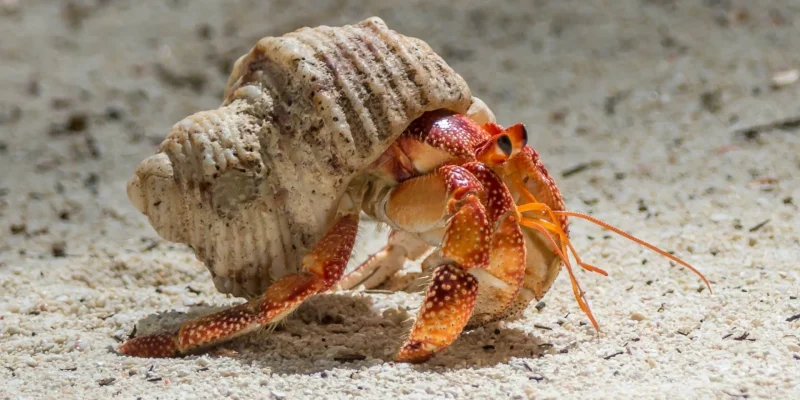
Le Bernard L'Hermite
Hermit crabs are so common in tropical areas that new species are discovered every year! This little crustacean, with its soft abdomen and no fixed abode, absolutely must protect itself... so it takes up residence in empty shells. This is where its Creole name "Soudars" comes from, referring to a homeless person.
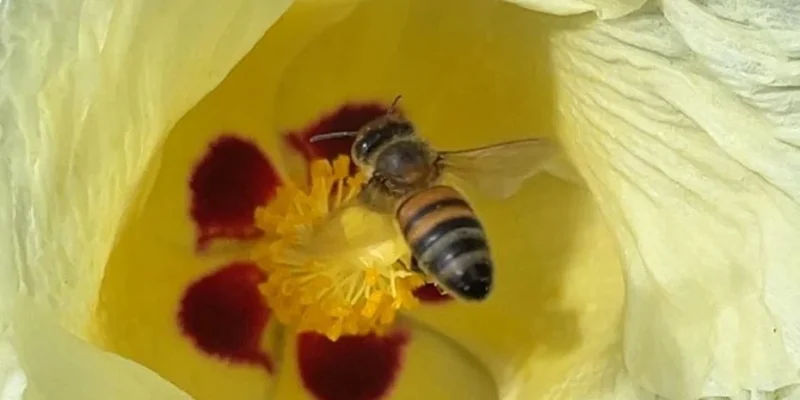
Les Abeilles
Père Labat's 17th-century account attests to the presence of beekeeping in the Caribbean islands long before colonial times. The tradition of beekeeping is therefore well established and continues to this day. Originally, bees were smaller and browner than those found in Europe, for example. Their honey is always liquid and never congeals. It's amber in color and the consistency of olive oil, extremely sweet and pleasant.
Les Cabris
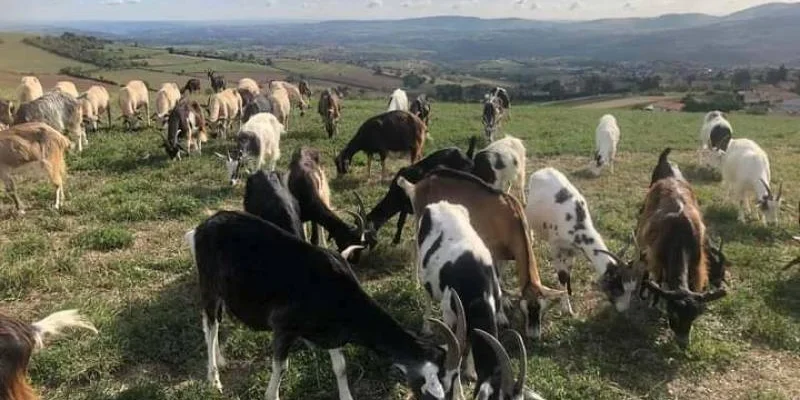
Cabris are actually goats. There are many of them in the Caribbean, including in St Barths. Generally owned by locals, some have become wild and can often be seen grazing peacefully on the mornes. In other words, they're part of the landscape!
Les Gecko
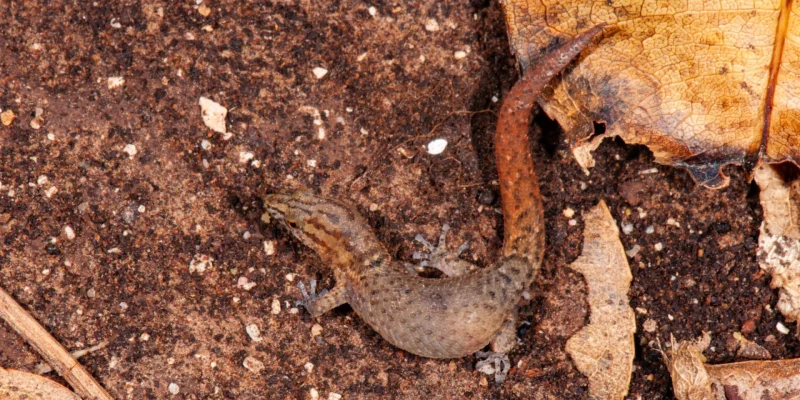
Often called "Mabouya", this little lizard has an unattractive appearance! Depending on the light, its color can range from translucent to gray. It is often found at dusk, on the ceiling, watching for insects. Although "Mabouya" means "evil spirit" in Caribbean parlance, some say it brings good luck. The choice is yours!
Les Insectes
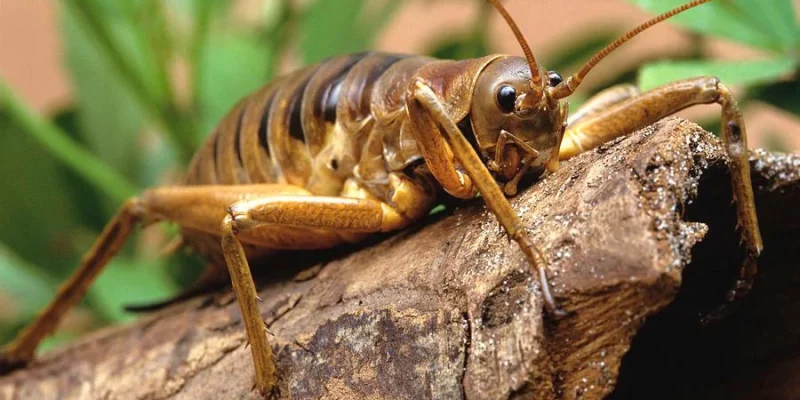
As you may have guessed, there are many insects in the tropics. We've already mentioned a few, and naming them all would be a waste of time! So let's take a look at what you can do to protect yourself when necessary. A golden rule: never leave water to stagnate, as it is a breeding ground for mosquitoes. Also, remember to regularly apply a protective cream, supplemented by other products widely available on the island. And of course, to prevent the proliferation of crawling insects, keep food in a safe place.
Les Lézards
The Anoli is a small lizard, green in color and measuring around 13 cm, that you can see everywhere, especially in houses! But don't worry, it's completely harmless and very useful for cleaning the house of mosquitoes and other insects! It does, however, have one astonishing feature: It can decide to get rid of its tail at any time! A great way to free yourself from certain aggressors! Of course, the tail will grow back, but a little smaller!
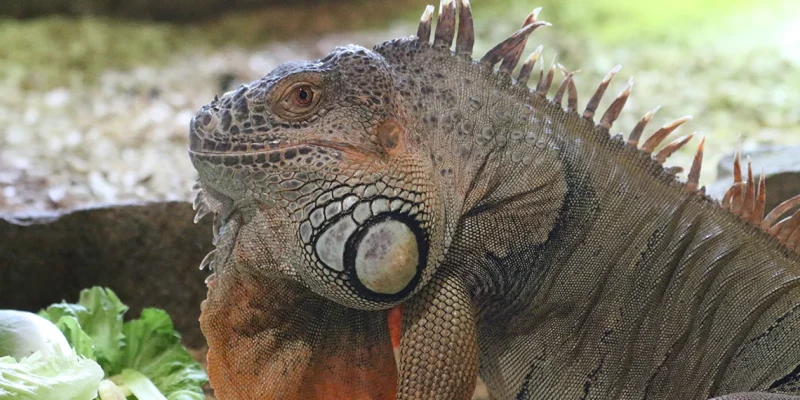
L'Iguane
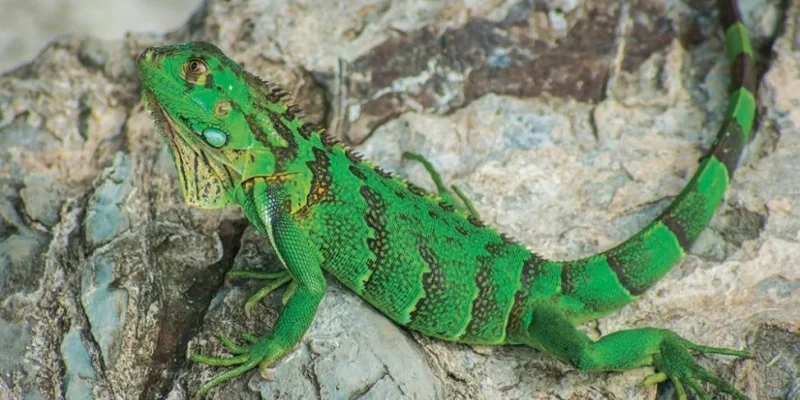
The "Iguana Delicatissima", otherwise known as the Lesser Antillean Iguana, has been a protected species since 1989. This endemic species has already disappeared from 7 neighboring islands and is increasingly threatened by the appearance of its congeners, the Green Iguana. This prehistoric-looking animal can be seen in gardens, but watch out for its tail! Although harmless, a misguided swipe of its tail could do a lot of harm!
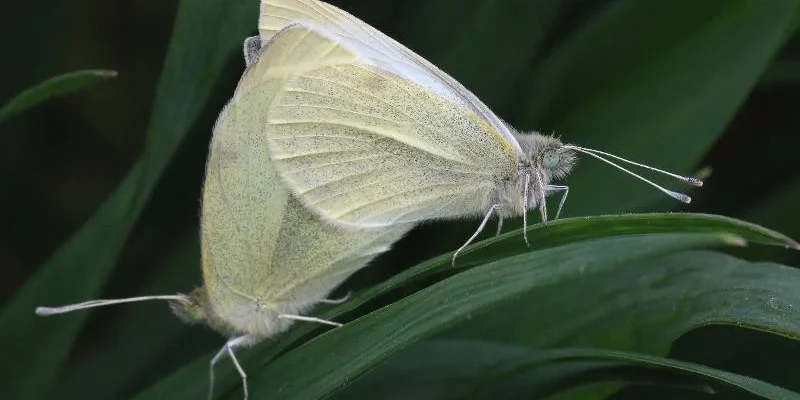
Piéride du Tapier
The Piérides du Tapier are none other than the little butterflies that you'll see in their hundreds, swirling around to land delicately on the island's trees. It's a fairy-tale sight that gives the impression that the trees are in bloom.