
Cactus Cierge
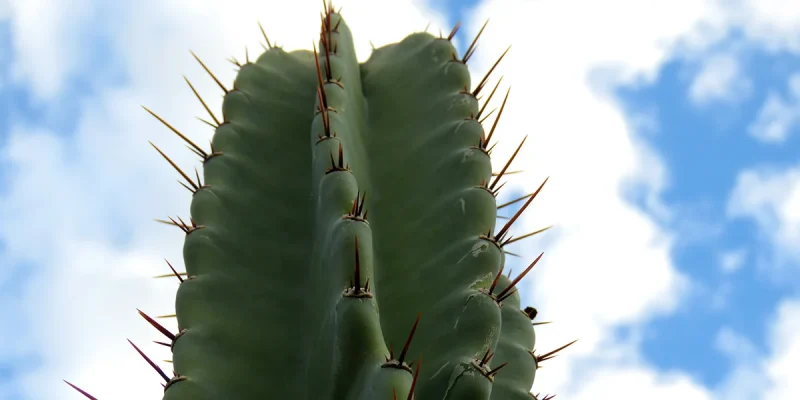
Cereus Hexagonus
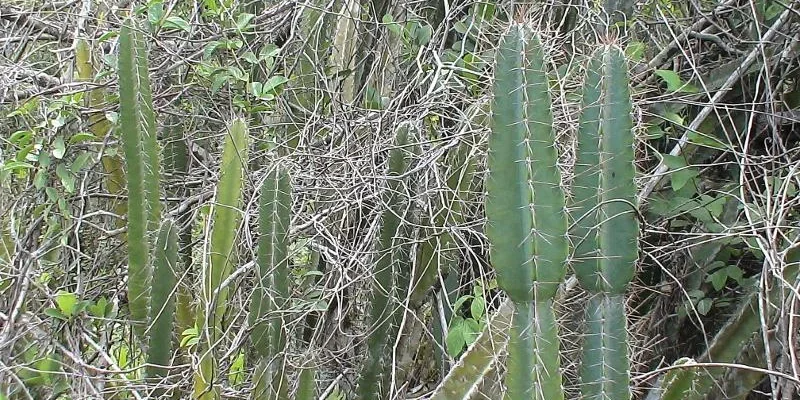
Up to 15m high, this cactus is native to South America. With its many-sided, thorny stems, it's also known for its fruit, which when eaten unripe is reminiscent of an apricot. As for the flower, it only appears at night!
Melocactus Intortus
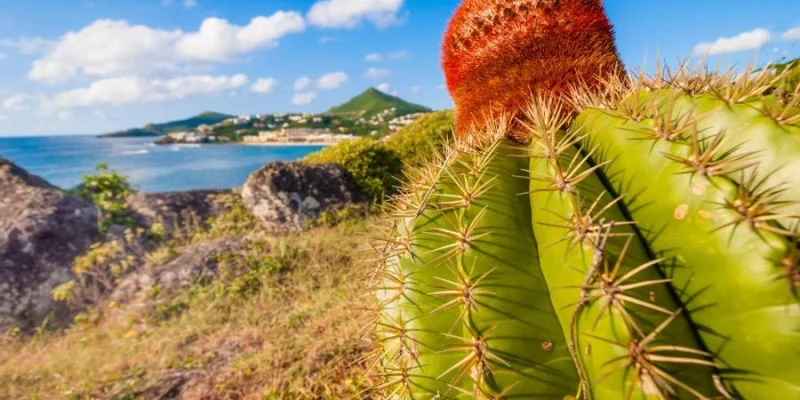
Native to northern South America, the Melocactus Intortus is none other than the famous "Tête-à-l'anglais"! Although endangered, it is widespread on the island, and you'll find it mainly on rocky slopes and cliffs. Recognizable by its red "cephalium" or "pompom", it has many small prickles, so be careful!
Torche
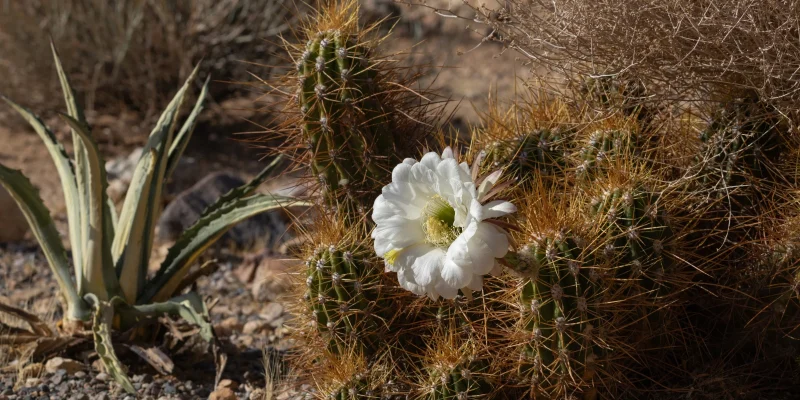
A columnar cactus, 7 to 10 cm in diameter, in dense clumps of 10 to 25 stems, with an average height of 2 to 4 meters. Found in the wild all over the island, but preferably on limestone soils in dry, rocky areas. Stems are leafless but covered with more or less yellowish thorns, around 5 cm long. Flowers are white or yellow. The globular fruit, about 6 to 7 cm in diameter, has a tough, dark purple outer skin. When ripe, it splits to reveal a pink pulp lined with multiple shiny black dots: the seeds. Much appreciated by birds and small lizards, this edible fruit has a pleasant, sweet but slightly slimy taste. Increasingly present in gardens alongside many other imported species.