
Abricot Pays

Found from the north of South America to the West Indies, this tree is also known as the Santo Domingo apricot tree. It can grow up to 20 m tall. Its fruit can reach 10 to 20 cm in diameter and weigh up to 4 kg. It takes its name from its pulp, whose color and smell are reminiscent of the European apricot, with no other similarities to be noted. It's best eaten ripe, and is used to make jams that are highly prized by locals. Be careful, however, to remove the skin.
Ananas

This juicy fruit is excellent for our bones, blood circulation and digestion. It is also reputed to fight flu, infections and especially cancers!
Avocat

This fruit, native to Central America, takes its name from the Aztec "ahuacatl" meaning "testicles"! There are many varieties, and their creamy pulp and unique flavor make them a treat for the palate. They are also used to prepare "féroce de morue", a typical dish made with avocado, cassava flour and codfish.
Banane
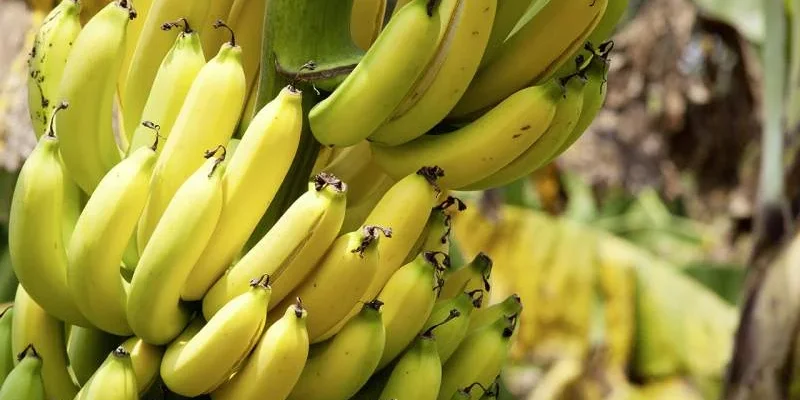
The first food plant cultivated by man, the banana tree produces one of the world's most prized fruits. Gourmet and generous, bananas provide benefits and energy. Rich in carbohydrates, fiber and vitamins, they provide a healthy dose of energy every day. Plain, pan-fried, flambéed, boiled or au gratin, bananas are a surprising accompaniment to any meal or snack. Nearly 1,500 varieties are divided into 3 groups (dessert, cooking and beer). A whole delicious world to discover and enjoy!
Carambole

Its pretty star shape, once cut, has long made it a decorative element on plates and pastries. But it's also delicious eaten raw, in juice, compote or jam. Low in calories, it provides vitamins A and C and is rich in magnesium and calcium.
Cerise des antilles
Citron pays
Corossol

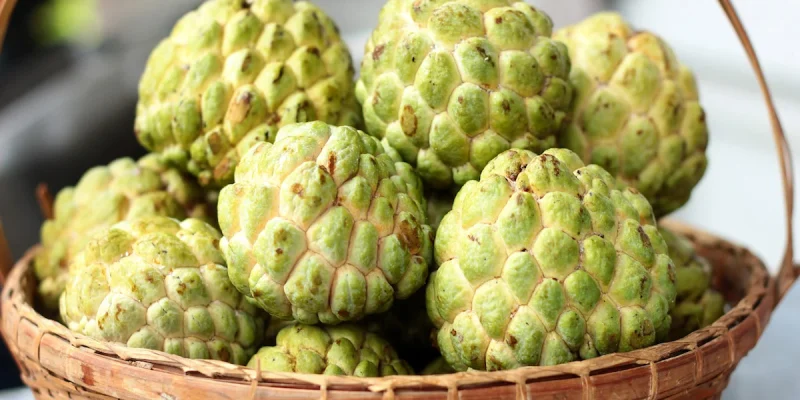
Present throughout the Caribbean since the 17th century, its name comes from the island of Curaçao, then called Curasso or Corossol. Both sweet and tart, its white flesh is often used in sorbet, or simply as a dessert. Its unique taste and the texture of its flesh make it a fruit much appreciated by the local population. So let yourself be tempted, you won't regret it.
Figue de Barbarie

The fruit of a cactus, it has a subtle, mild, slightly sweet flavor. Orange-yellow when ripe, prickly pears go well with both sweet and savory dishes. It provides vitamin C, minerals and trace elements, and lots of fiber. Antioxidant, its virtues are numerous.
Fruit de la Passion
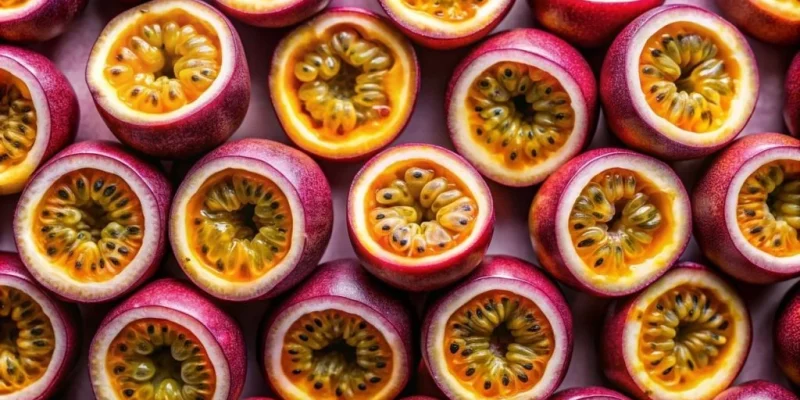
Native to South America, this passionflower resembles a superb vine. Its more or less round fruit can measure from 4 to 8 cm in diameter, and contains a juicy, gelatinous pulp full of tiny, edible seeds. There are several species, each with its own particular flavor. Raw, in juice, candied, in punch or jam, they're a real passion!
Goyave

Who hasn't heard of this little fruit with its sweet pulp and high vitamin C content? Taking its name from the Arawak word "gayaba", and introduced to the West Indies by the Amerindians at a very early date, it can be found in jams, the famous "guava pies", punches, syrups, juices or simply as it is. Some prefer it sweet, others slightly tart, but either way, it's a delight.
Recommended in cases of diarrhoea, it is also effective for lowering blood pressure.
Grenade
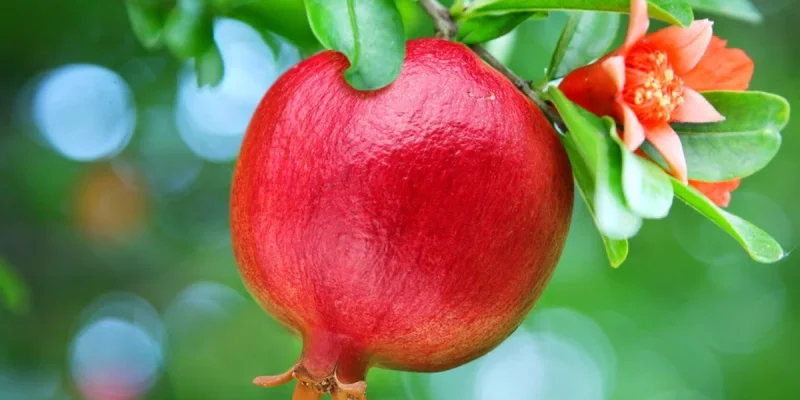
This little shrub has been around the world! From Iran to Asia, via Africa, the pomegranate appeared in the West Indies with colonization. Its surprisingly hard-skinned fruit contains a sweet pulp and a multitude of tiny seeds. Extremely thirst-quenching, pomegranates can be eaten in juice or as is. There's no need to try and remove the seeds, as they're perfectly edible.
Groseille
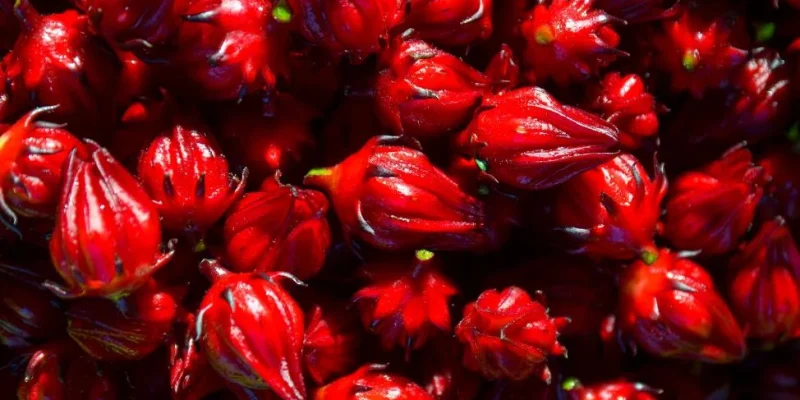
This particularly delicate fruit is reputed to be low in calories. An effective laxative, it controls transit and thus aids digestion.
Icaque
Mangue
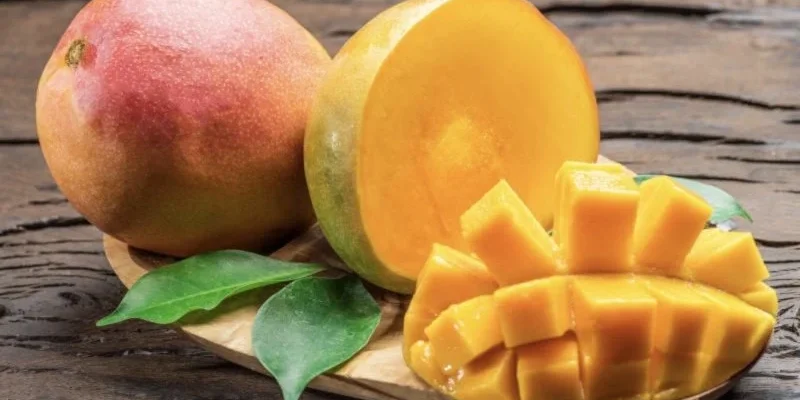
The mango first appeared in the West Indies in the 18th century. Cultivated in India for over 4,000 years, it takes its name from the Tamil word "man-kay" and comes in many different varieties. You'll find several on the island, such as the "Julie mango", known for its delicious, fiber-free flesh, or the "apple mango", rounder and less fibrous. Whether eaten as is, in juice, or even in vinaigrette when still green, they're a hit with everyone!
Noix de Coco

Although its origins remain rather mysterious, we do know that the coconut palm first appeared in the West Indies around the 16th century. Its fruit, the nut, contains "coconut water", a very popular local drink, which becomes a highly coveted cream. And finally, the "dry coconut", which is used primarily to make all kinds of desserts.
Papaye

What a strange tree the papaya is! A straight trunk reaching for the sky, crowned by broad leaves and on which the fruit grows directly. The papaya, with its orange flesh and small black seeds, can be eaten with a little lemon, but also green, in a salad, or cooked as a side dish. Renowned for its vitamin C content, it's ideal for boosting your health!
Pomme Cannelle
Pomme et Noix de Cajou

From northeastern Brazil comes this tree with leaves that sometimes touch the ground. Its fruit is not, in fact, the real thing. It resembles a yellow or red pear, and its thirst-quenching pulp, both sweet and bitter, can be eaten as is or in syrup. Some even eat it candied. The real fruit is the cashew nut, which must be removed from its shell and heated before consumption.
Pomme Malacca
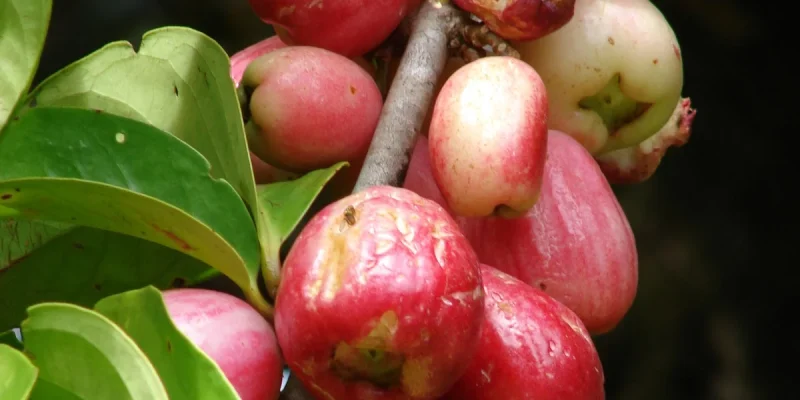
The Malacca appeared in the Lesser Antilles as early as the 19th century. Its brightly colored flowers are a real eye-catcher. The same goes for the fruit, which is bright red and resembles small pears. Delicious as is, its flesh is particularly crunchy and thirst-quenching.
Pomme surelle

Too acidic in its pure state, this fruit can be eaten preserved, candied, cooked or in punch...The sourlle apple is known to reduce fever.
Pomme surette
Quénette

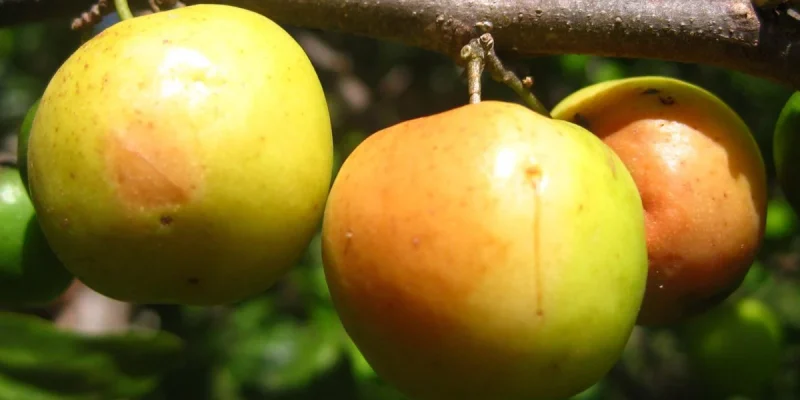
In the West Indies since the 19th century, the kennetier is impressive for its size. Growing up to 25m high, it produces a small, rounded fruit with juicy pulp that children love! But the quenette is also a delight for grown-ups, savored as is or in syrup with rum. And with quenettes, nothing goes to waste: the stone can even be roasted!
Raisins des bords de mer
Sapotille

Tamarin

Native to Africa, the tamarind tree can be found along volcanic sand beaches. Its brown, bumpy pod contains the tamarinds, seeds whose sweet pulp can be eaten raw in a variety of ways. You can find them in juice, candied, iced or in punches. Some prefer to enjoy them as soon as they are removed from the pod, for dessert or as a small snack during the day.
The pulp, eaten on an empty stomach in the morning, has laxative properties.