TOURIST GUIDE
Paradise Islands

TOURIST GUIDE
Paradise Islands

All information about Les Plantes Médicinales de l'île de Saint-Barthélemy

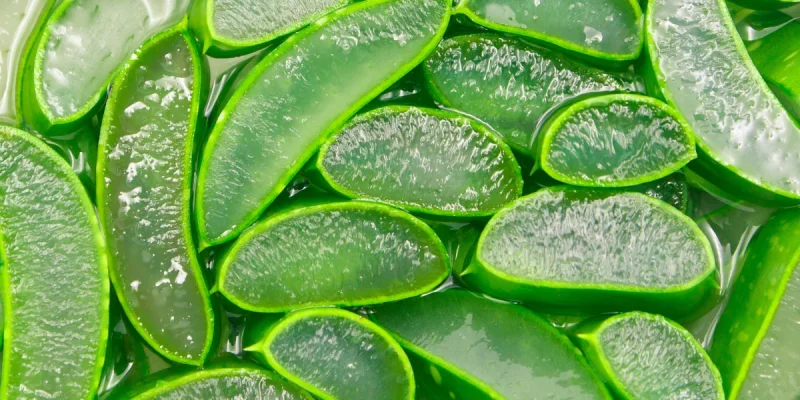
Aloes

aloes_St-martin_key

Native to Africa, aloe vera is widely found in the Caribbean and is considered the ultimate medicinal plant ! Rich in vitamins and antioxidants, it is excellent for the skin and digestive system. Indeed, there is nothing like a little aloe vera to soothe sunburn and burns. But you can also use it, in juice form for example, to boost your natural defenses. A plant with a thousand virtues that you will also find in gardens for the pleasure of the eyes.


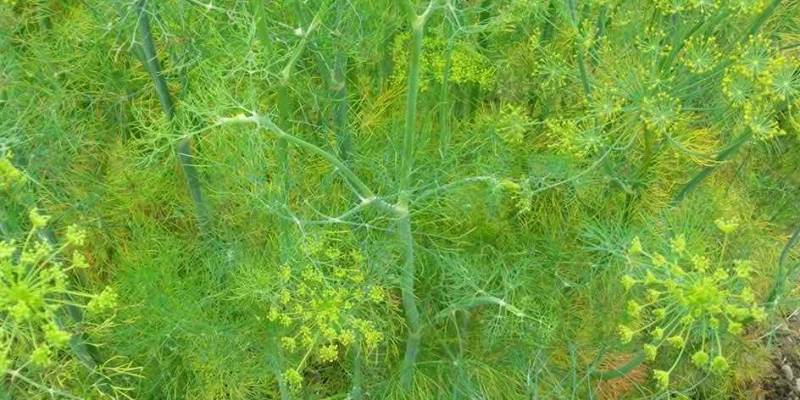
Anise

dill-bio-boite-aromatic-2
And on the leeward side of the island: An-ni
 
An aromatic plant often grown in gardens, its uses vary:
or use the seeds in salads or cakes, 
or its flowers are infused for refreshing herbal teas.
 
Anise soothes migraines and colic, stimulates the appetite and acts against fatigue and asthma.

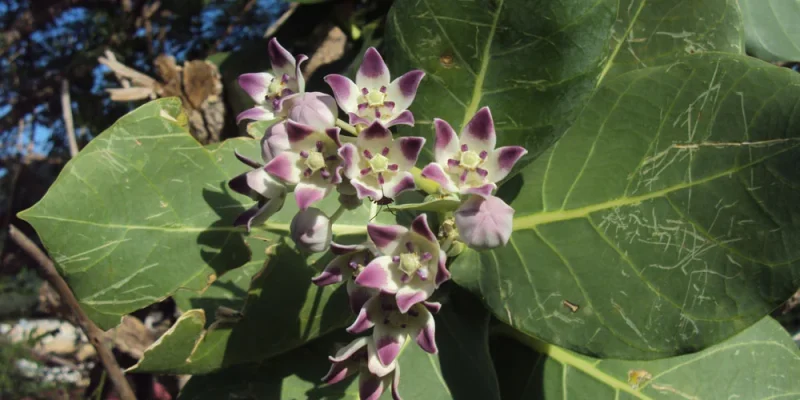
Silk tree

Calotropis procera Ait.f.
Appellation : the island's windward inhabitants : Boi flou flou - Bois lèt'
and leeward of the island: Rézigné de moutan-gne
 
The latex from the trunk and branches is used to treat warts. It is a toxic plant that can cause skin burns. It grows mainly on the coast.

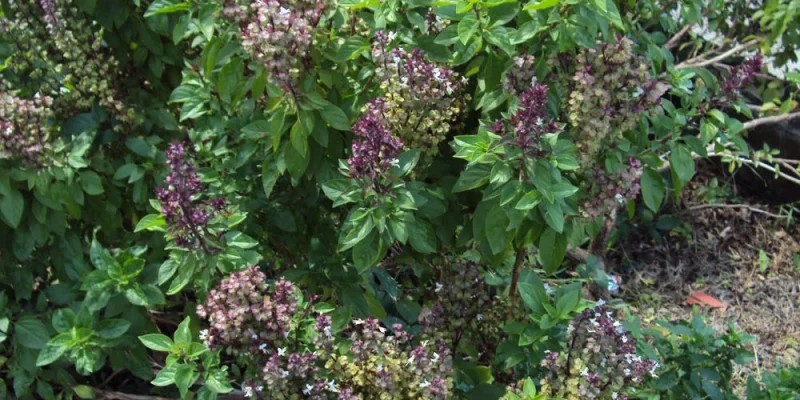
Basil

Ocimum basilicum L.`
Naming: by the inhabitants of Gustavia : Bazil
Those on the windward side of the island: Frambazin
And on the leeward side of the island: Framboizin
 
And yes, this highly fragrant plant, well known in our kitchens, is also antioxidant, antibacterial and rich in vitamin K. The leaves, mixed with other plants, form the basis of an anti-cold and sore throat herbal tea. Seeds placed in the eye eliminate dust.

Boi Chapèl

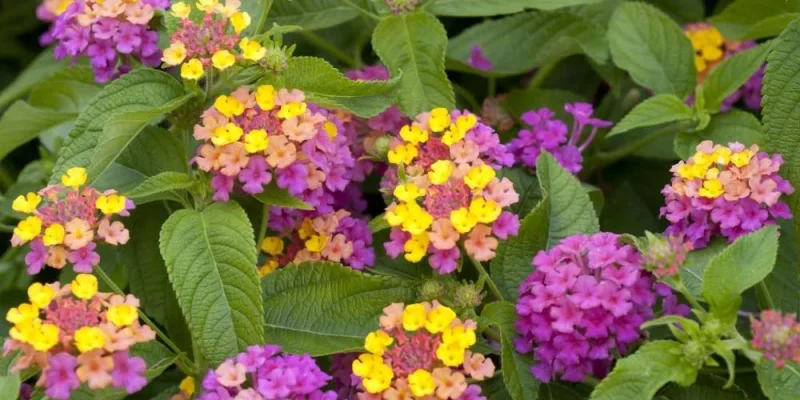
banniere-lantana
Undemanding and drought-resistant, it comes in several species and varieties. The simple leaves are toothed and rough. The small flowers are numerous and grouped at the ends of the stalks. Each group has flowers of 2 or 3 different colors (pink, yellow, white, orange...). Fruits are small drupes (1 to 4 mm) of different colors, depending on the variety or species. One of the most widespread species on the island in the past, it is now being decimated by urbanization.
 
 These flowers are used in herbal teas to fight the flu. 
Note that the leaves are not edible for animals.

Indian wood

Pimenta racemosa
What the locals call Au vent et sous le vent:
Boi d'In-n


Also called "Achourou" by Caribbean Indians, India Wood was once used to prepare hair and body care products. Today, its leaves are used to help relieve tooth and muscle pain. Macerated in rum, they are then simply rubbed into the painful area.
The dried seeds are used to enhance fish stock, while the dried leaves are used to flavor Christmas ham. Fresh leaves enhance hot chocolate.

Boi Sorssié

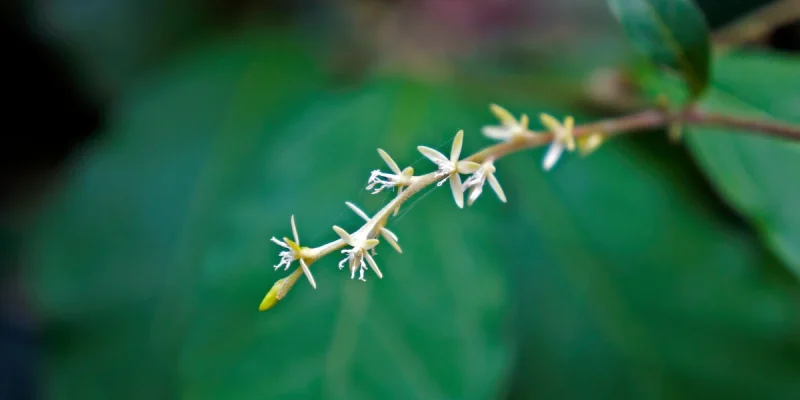
Petiveria alliacea L._st-martin
Antiseptic: boil the leaves, wash the wound with the water obtained and apply the leaves as a poultice to the lesion.
The flowers are sweet-smelling, small and white. The roots are long, gray and arrow-like.
Used for arthritis, memory disorders and to induce abortions.

Boi zéguille

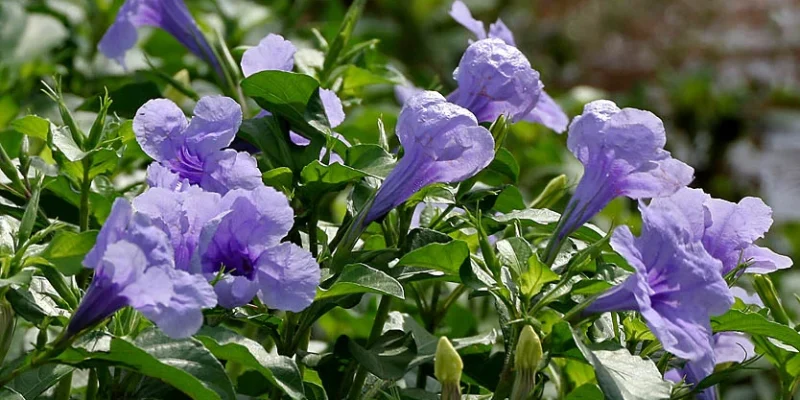
Ruellia_tuberosa_(Wayside_Tuberose)_in_Hyderabad_W_IMG_9012
Its leaves are used in herbal teas to treat flu and thin the blood.
 
Flu syrup: boil boi z'éguill with leaves of carpenter's weed, sun flower and pigeon pea.

Catalpa

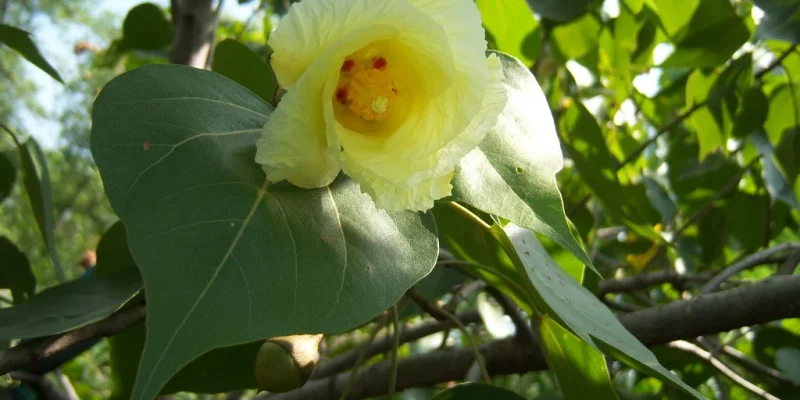
Thespesia populnea L.
This plant is well known in traditional Caribbean medicine for its leaves, which are highly effective for headaches, hemorrhoids, fever, appetite and hypertension.
Its bark has anti-inflammatory and anti-diarrheal properties. Its sap is used to treat bark beetle bites.

Quackgrass

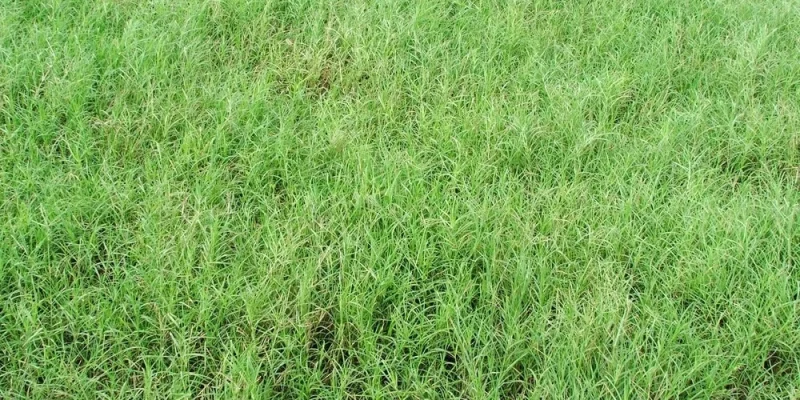
Cynodon dactylon L.
A drought-resistant species. Used in herbal tea to treat gallstones and kidney stones. Very diuretic. Purgative.
The leaves make a refreshing tea. Drink as is or mixed with orange, soursop and lemon leaves.

Cive

Cives-saint-martin
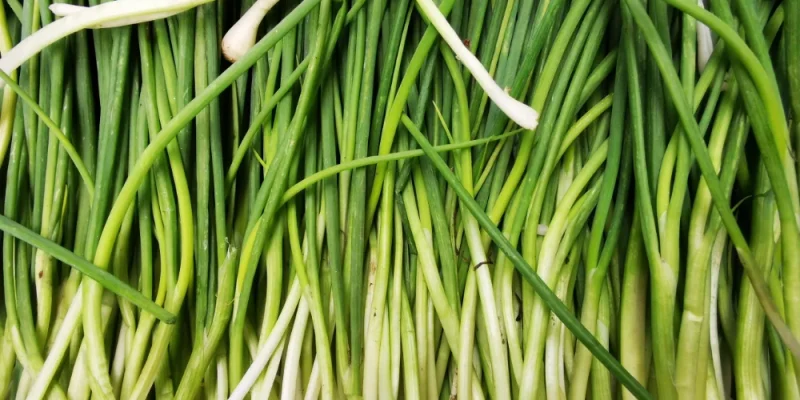
Naming: by the inhabitants of Gustavia : Soïv'
 
Aromatic herb grown in the countryside. Used in many dishes. Known for its antiseptic, aperitive, digestive and diuretic properties.

Soursop

Soursop

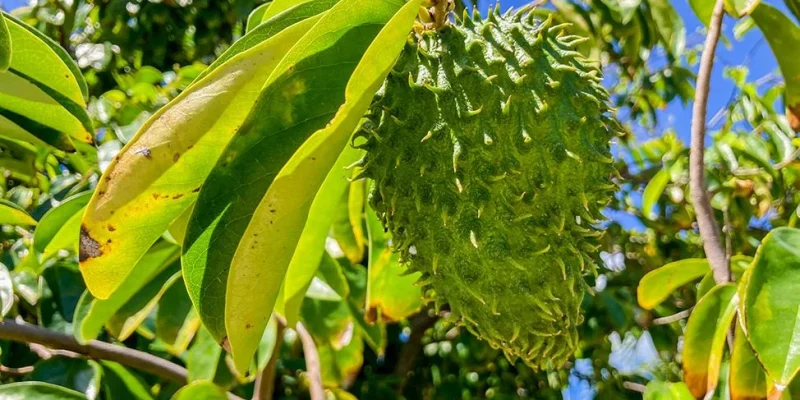
Soursop, also known as the healing tree, is renowned for its relaxing properties. There's nothing like a bath mixed with its leaves to relax you. They are also used to ward off mosquitoes and soothe sunburn.
The leaves are used in herbal teas to aid sleep or digestion.
They can also be slipped under the pillow to calm infants.

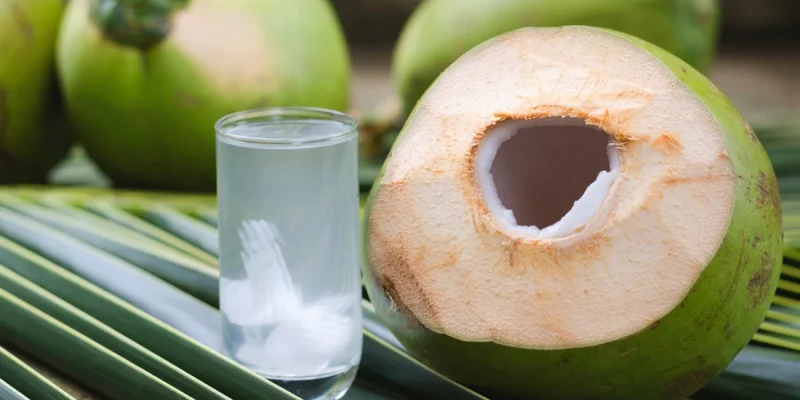
Coconut Water

eau-de-coco-min

At the heart of the coconut is a water with recognized antiviral and antioxidant properties. When the fruit is still young and green, this water is low in sugar and vegetable fats, but rich in mineral salts. You can consume it as is. With its pleasant taste, it provides essential nutrients for good health and quenches your thirst. Renowned for its kidney benefits.

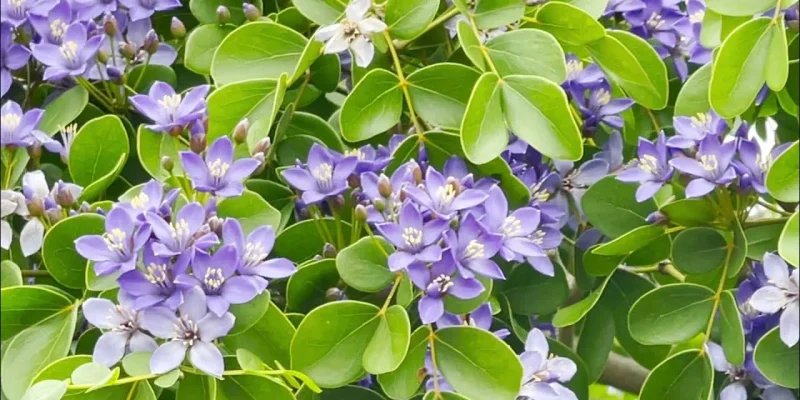
Guaiac

maxresdefault

Native to the Americas, it is also known as "holy wood" or "wood of life". Very hard and heavy, it is used for furniture and jewelry. But it is also recognized for its medicinal virtues.
Listed in the pharmacopoeia of France in 1884, it soothes syphilis and is an anti-inflammatory for arthritis and rheumatism. Guaiac also has diuretic and laxative properties, but can sometimes be toxic, so consult a doctor before taking any medication.

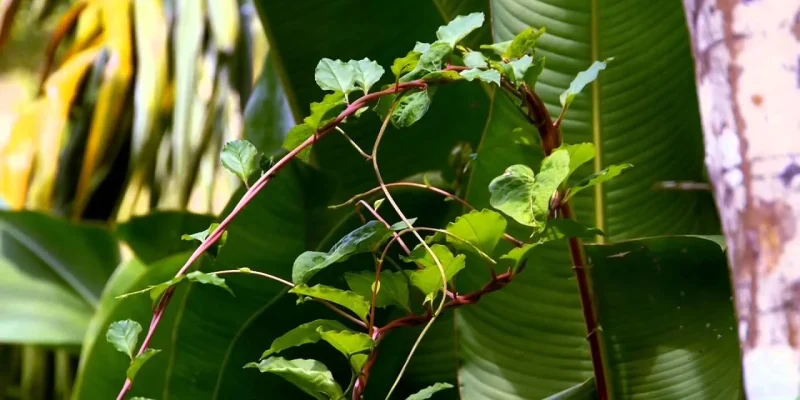
Glycerine

maxresdefault-1

A woody, tenacious plant that can grow up to eight meters high. Women used to take glycerine baths for intimate cleansing. Leaves crushed in bath water were used to combat boils, heat rash, itching and children's rashes.

Carpenter's grass

Named: Pié d'charpentié by the island's windy inhabitants
Et sous le vent de l'ile : Pié d'chapentié
 
The leaves are used in herbal teas to aid digestion, to combat delayed menstruation or as a tonic.

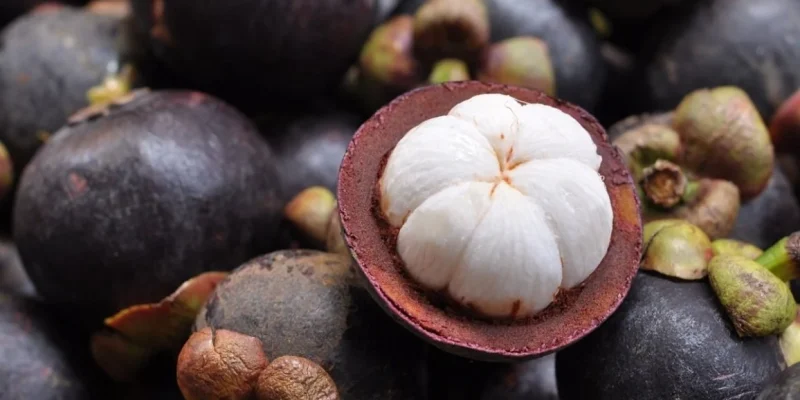
Mangosteen

Garcinia-mangostana-Fruits-CC0-

Mangosteen is considered "the king of fruits". Sweet and slightly tart, it has a sweet-and-sour flavor. It can be eaten as is or in juice, oil or candy. It has numerous health benefits, thanks to its high fiber, carbohydrate, vitamin A, B and C, calcium, potassium and iron content. 

Matricaria

Parthenium_hysterophorus-yercaud-salem-India

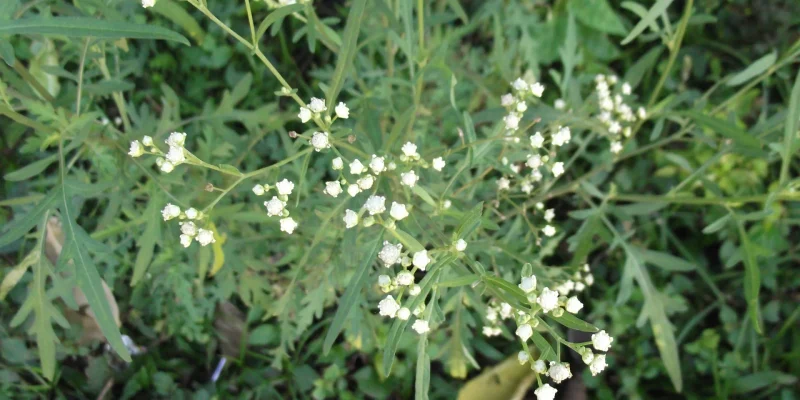
This plant is recognized for its effectiveness in evacuating blood clots after childbirth.

Blessed physician

Jatropha cursas L.

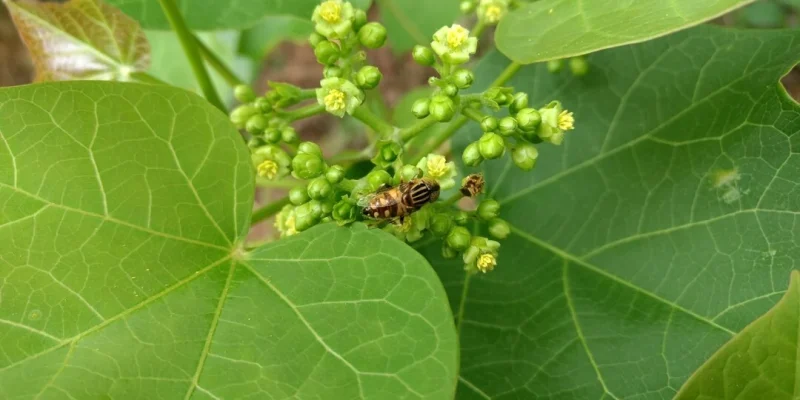
It's a poisonous plant whose oil is known for its purgative, antifungal, disinfectant and antiparasitic properties on the skin.

Mint

plant-mint-moroccan-bio_1080x
Naming: by the inhabitants of Gustavia : Mi-nte
 
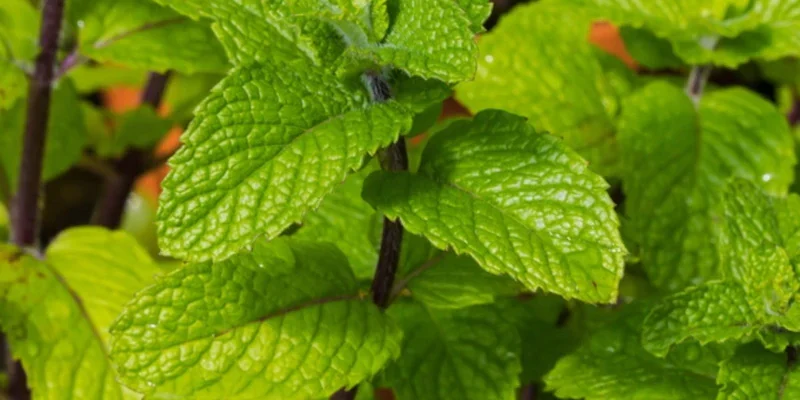
This highly aromatic herb is grown in gardens and requires little maintenance.
Refreshing and antioxidant, it also combats flu and cardiovascular disease. Used as a poultice on wounds, it has coagulant properties.

Noni

Noni

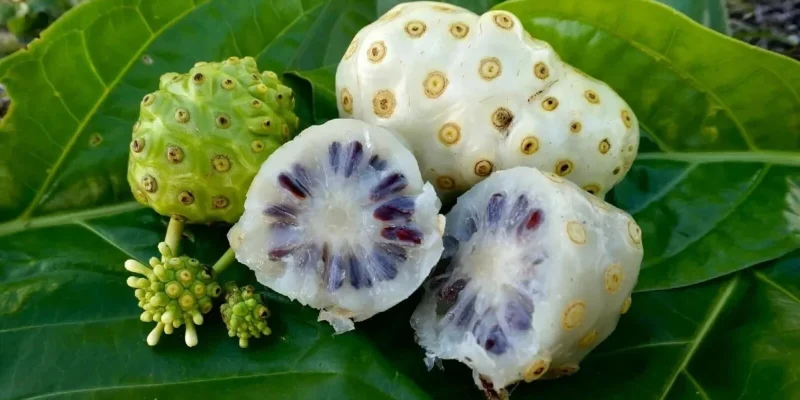
Imagine a big, green, ridged potato with a strong, cheesy smell: that's noni. We recommend mixing it with other juices and limiting consumption. Noni is rich in vitamin C, potassium and rutin. It has a recognized anti-inflammatory effect. Studies are currently underway for other supposed benefits.

Male papaya

Papaya male_st-martin
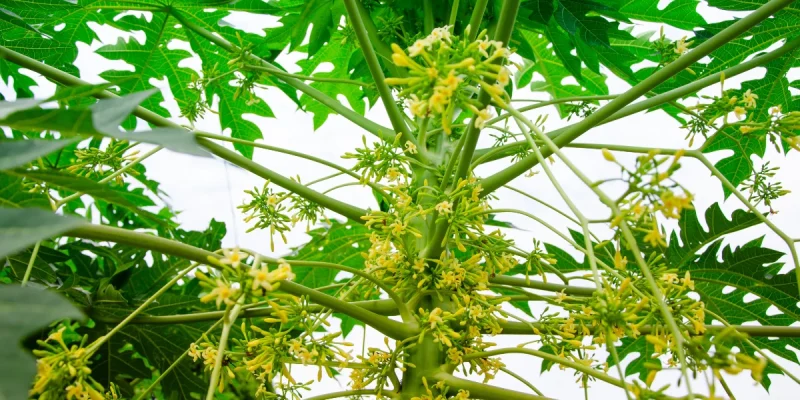
Although hard to find these days and little known for its medicinal virtues, the male papaya (which bears no fruit) is a real remedy for joint pain and flu (the flowers), constipation (leaves), its seeds (intestinal worms) and its enzyme-rich latex.
Simply macerate the flowers in rum in the sun for a few weeks, then massage your aching limbs!

White Periwinkle

vinca_minor_alba_8449
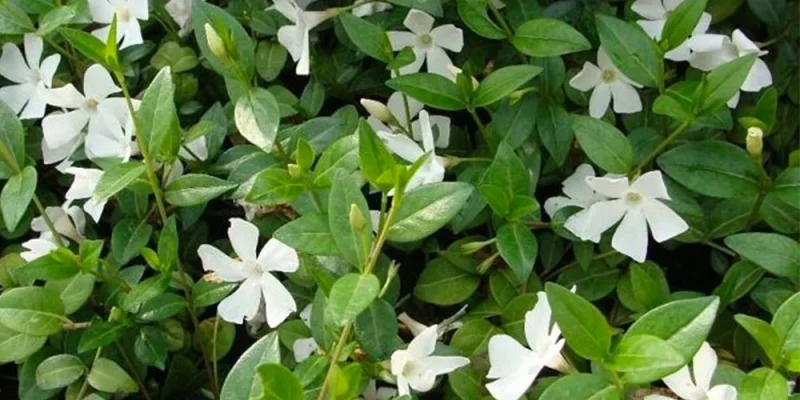
Appellation : by the inhabitants of the windy island : Pèrvenche
And leeward from the island: Boi simtièr
 
A small, sandy plant with single white, pink or purple flowers. Does not appreciate cold. Roots macerated in herbal tea are used to combat diabetes.

Apple cinnamon

Apple cinnamon
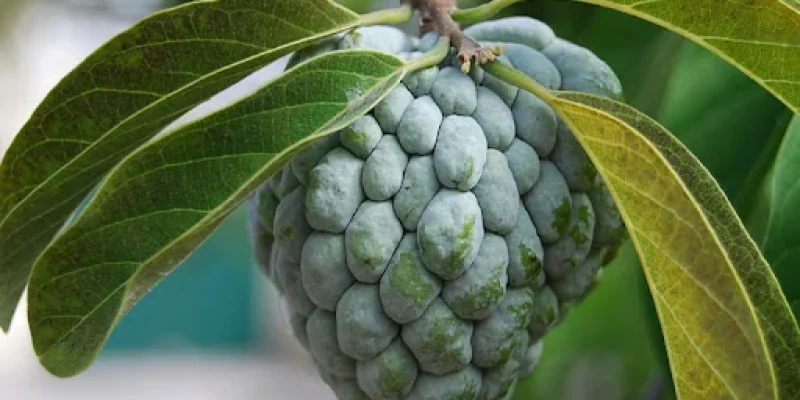
Naming: by the inhabitants of Gustavia : Chougueu apeul
Those to windward and leeward of the island: Kan-n-èl
 
 
Infusions made from cinnamon apple leaves help to relieve stomach ache and vomiting. It is also used to soothe toothache in infants. Finally, it is effective against flu and fever.
It is rare to find it on our island.

Prune Mombin

Prune Mombin-st-martin
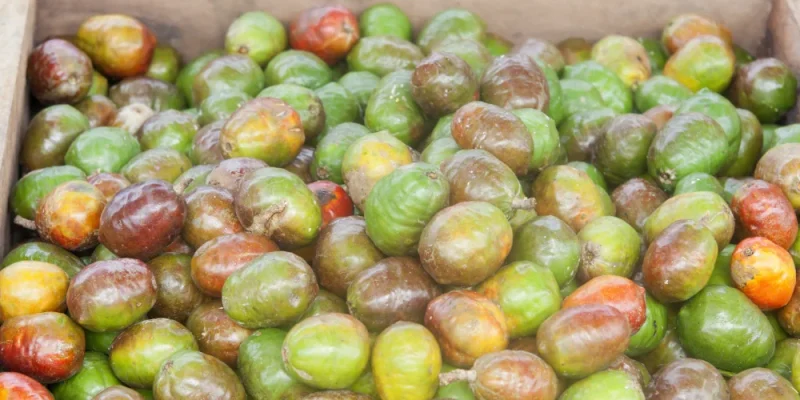
Naming: by the inhabitants of Gustavia : Plon-me
 Those on the windward side of the island: Mobin
And in the lee of the island: Prune

The mombin plum is a red or yellow tropical fruit with a bumpy appearance. Its yellow pulp is fragrant, juicy and tangy. It is distilled to produce a highly prized alcohol, but is mainly eaten raw or in fruit juice. It is so rich in vitamin A that 100g will provide 37% of your daily requirement.
Red Mombin skin is used to prevent fish-borne diseases (ciguatera and food poisoning).

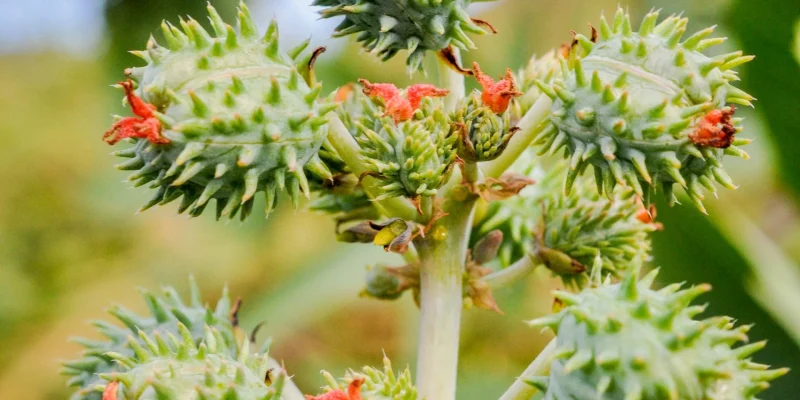
Ricin

Ricinus_communis
Named by the island's windward inhabitants: Karapat'.
And in the lee of the island: Pon-me a kristi
 
Ricin oil, light yellow in color, made from cold-pressed seeds, is used for massages to relieve aches and pains and relieve flu. Also a hair tonic.
Leaves used as a poultice soothe aches and pains.
Ricin is also known for its laxative benefits.

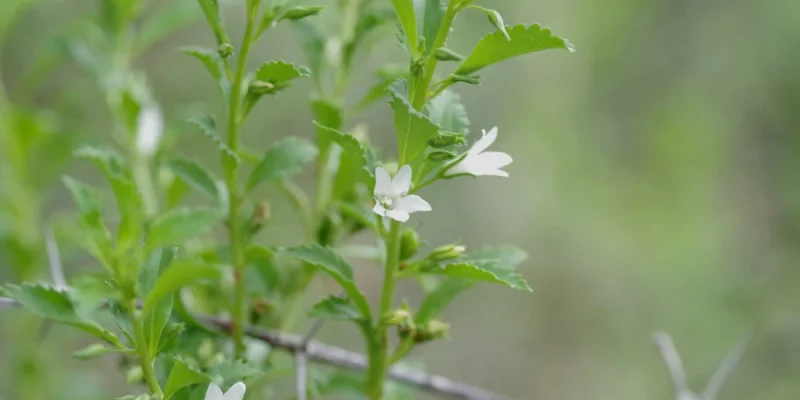
Semen contra

Denomination: by the inhabitants of the windward and leeward sides: Simiontra
 
In Saint-Barthélémy, the vernacular name Semen Contra is given to two different plants that nevertheless have the same virtues. From an ethnological point of view, we can therefore put forward the hypothesis that here, usage makes the name.
These two herbaceous species with a woody base can be distinguished by the shape of their leaves: toothed in one case and highly indented in the other. 
A medicinal plant renowned for its digestive benefits. An ancient and powerful vermifuge, it kills all intestinal parasites.

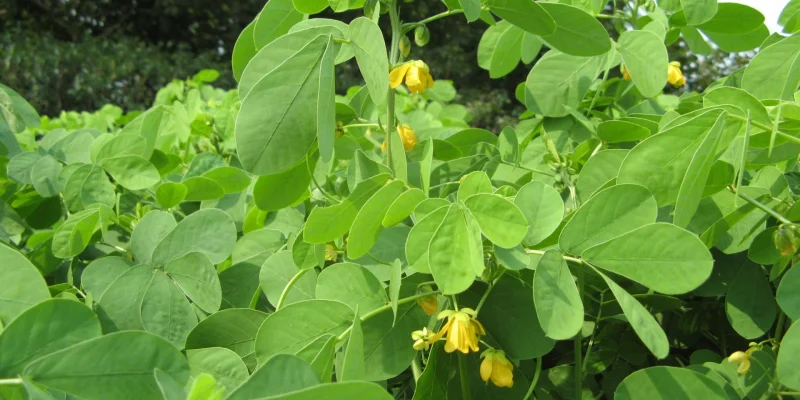
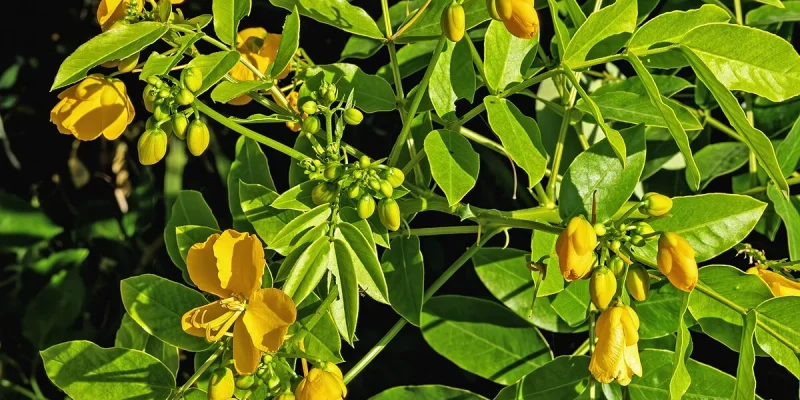
Séné

Senna‗obtusifolia

Perceived as a weed, its leaves are used in herbal teas to relieve constipation.

Country tea

Capraria biflora L.
Named by the island's windward inhabitants: Té d'pé-i
And downwind from the island: Té du péyi
 
Leaves used in herbal tea to combat liver and gallbladder problems. It also aids digestion. An effective diuretic.
The leaves are refreshing for the body.

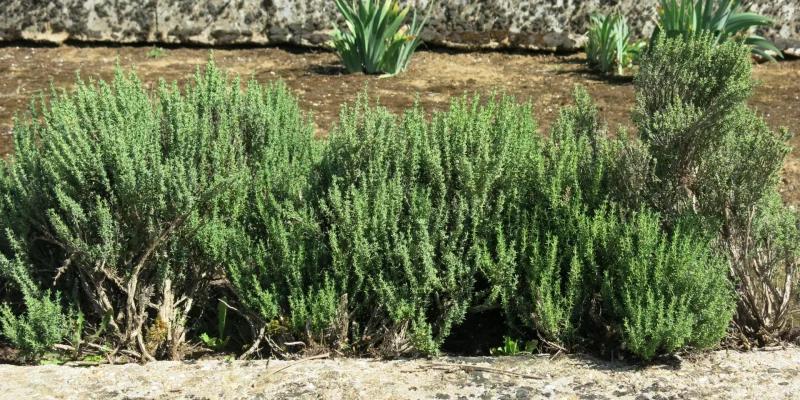
Thyme

Thymus_vulgaris_in_garden_(2018)_6
Named: by the inhabitants of Gustavia : Taï-m'
 
This aromatic herb is well known in our kitchens, but less so in our pharmacopoeia. Whether used internally or externally, it has many benefits: it soothes coughs, asthma, toothache and diarrhea. Thyme is also highly effective for a number of skin ailments such as herpes, scabies and mycosis...

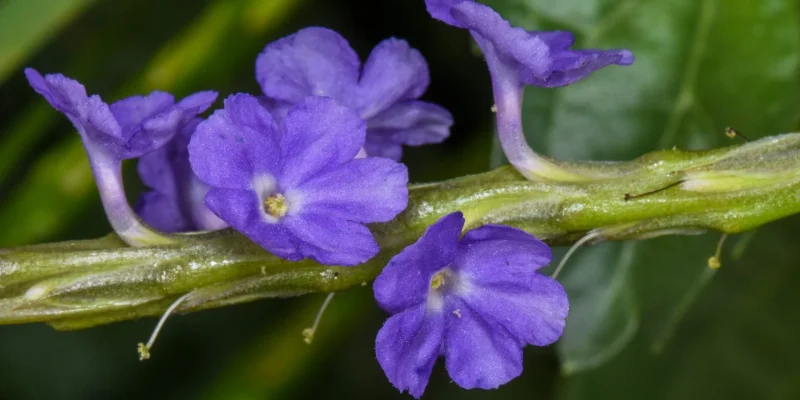
Country verbena

Stachytarpheta_jamaicensis_2
Naming: by the island's windward inhabitants: Vèvèn'.
And on the lee of the island: Vèrvèn
 
Known as butterfly weed, this plant is very widespread. The leaves are used in herbal teas to promote blood circulation and combat constipation and migraines. They also act against stones and regulate urination.

Zèpiant

Senna_occidentalis
Naming: by the inhabitants of leeward: Zèrpiant'.
 
It's a contraction of "herbe puante" (stinking grass). Until the mid-20th century, breakfast consisted of a cup of café d'Zèpiante and galettes de Cassave (cassava cakes).
For fake coffee: roast the seeds and grind them using a mortar and pestle. 
It should be noted that this plant contains no caffeine or stimulants.
The latter is a powerful laxative, an excellent liver detoxifier and aids perspiration.
Root macerated for a few hours in water soothes menstrual pain. The macerated leaves make an anti-dizziness herbal tea.