TOURIST GUIDE
Paradise Islands

TOURIST GUIDE
Paradise Islands

All information about Uses and customs on the island of Saint -Martin / Sint Maarten

Crafts

09-02-2024-ARTISANSHIP

Christmas in the tropics! Forget snow, open fires and all the usual clichés...
Santa also appreciates air conditioning! Caribbean traditions add color to this family celebration. The island lights up to offer a magical spectacle that amazes the little ones and delights the grown-ups!

Domino
Domino

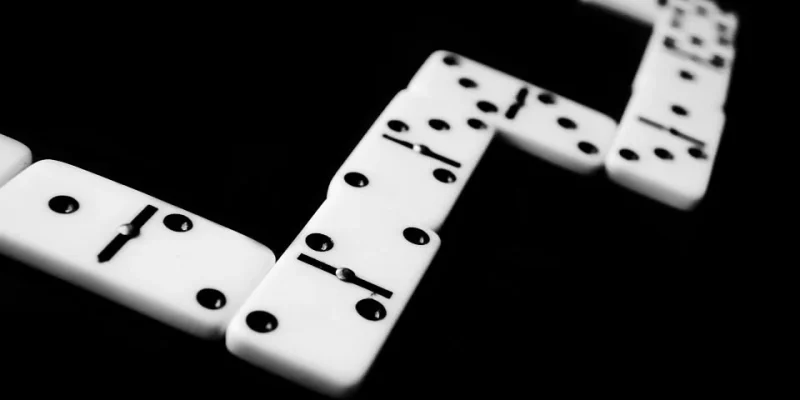
It's "The Game" par excellence! Once reserved for the nobility, this game has become very popular in the West Indies. Whether on the beach, on a terrace or in a bar, you can't fail to see men playing dominoes. And don't forget that it's customary to place your domino firmly on the table... hence the sound you can recognize from afar!

Carnival in the West Indies

carnava

Since its invention 2,000 years ago, from Antiquity to the Belle Epoque, Carnival has evolved over time. The events are specific to each civilization, but the notion of disrupting social roles and statuses is retained.

This concept has served oppressed social classes or peoples with grievances. It was an opportunity to express sometimes ancestral frustrations and anger. Once a year, almost anything goes!

Derision of oneself or others, of the present or the past, is one of the foundations of carnival.

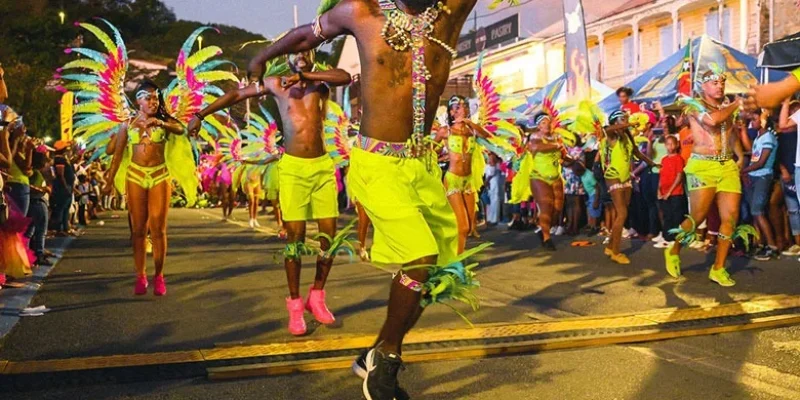
Unleash, color, festival, explosion! Every Sunday from Epiphany to Ash Wednesday, carnival groups take to the streets, to the delight of all. 

The origins of Carnival

Carnaval-de-Saint-Martin-18-1024x682
The Carnival tradition is almost as old as man himself. The appearance of the first masked man dates back to the Paleolithic period (minus 15,000 to minus 10,000 BC), with the discovery of the "masked man" in the Trois Frères cave in Ariège, France. We don't actually know what the mask meant back then, but we do know that it already existed.
 
Modern Carnival (as we know it) has its origins in Europe, where it developed before spreading throughout the world. The origins of Carnival are as varied as ever, but the oldest known date back to antiquity.
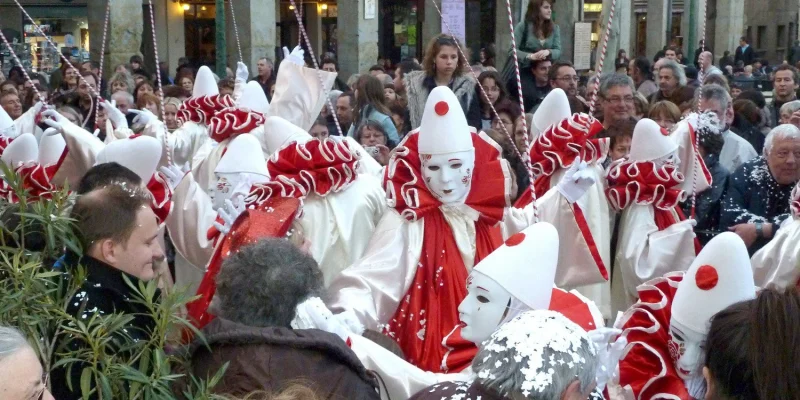
 
Like many festivals, Carnival owes its origins to antiquity and the Catholic Church. In its drive to establish itself as the sole religion, the Catholic Church initially fought against practices it considered idolatrous, then gradually reclaimed them and integrated them into Catholic practices and beliefs.
Masks, or disguises 
 
Preparations are important and well-orchestrated: the carnival "theme" is chosen by the carnival federations, and each island has its own committee. Then the groups get organized: they design their costumes and make them with care. 
Traditionally, slaves used Carnival to practice ancestral religious rites that were forbidden by the Catholic authorities of the time. Masks were those of African deities or tribes of origin, and initiation and exorcism ceremonies were performed. Today, the Masque or "Mas" has lost its sacred character, but the historical reference is alive and the emotions experienced are real.
According to the African concept of the term, the "Mas" refers to all the elements that cover a person from head to toe, unlike the Western concept, which refers to the face. A person who enters a "Mas" loses his or her personality, as it were, and becomes the Masque, "Mofwazé an Mas" (the Spirit of the Mas).
Mas" are traditionally made from jute, banana cloth and other natural materials. Some groups (Voukoum, Basse Terre) have retained their attachment to tradition. Jute bags or cloths are transformed into costumes, Portuguese mops are used as hair, newspapers (in black and white) are cut into strips to make the impressive "Mas a fwèt" (Whip Mask), "boutou" (tree branches) and shells or roots are the finishing touch to the traditional "Mas". 
Paint covers the hands, face or body parts left exposed by the Mas, e.g. blue paint for the "Mas tirayè Sénégal" (Senegalese Tirailleurs Mask), sometimes other materials are used depending on the day or theme: flour for the "Mas a man ibè" (Mask of Dame Hubert), table oil and roucou for the "Mas a Roukou" (Roucou Mask), sugarcane molasses, battery syrup and soot for the "Mas a kongo".
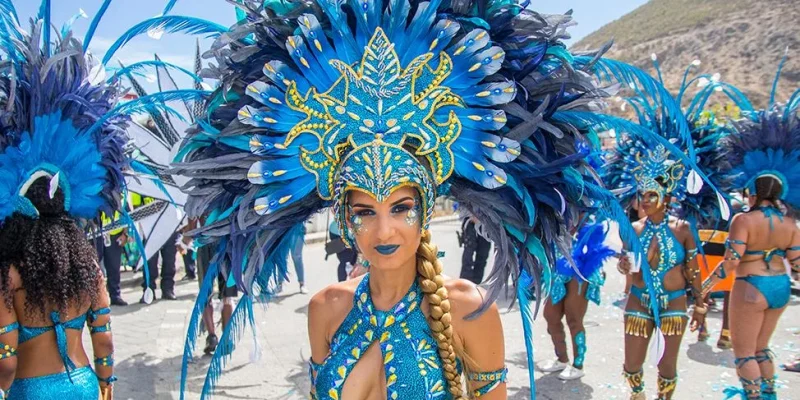
On the other hand, modernity obliges, and some groups (Waka, Basse-Terre) parade in ceremonial outfits, reminiscent of Brazilian or Italian carnival. In these cases, they choose more contemporary, even state-of-the-art materials! Costumes are made from modern materials such as lurex, satin, sequined Lycra, and even color-changing gold/silver hologram paper fabric! 
A blend of modernity and tradition, West Indian carnival surprises with its strength and diversity. 
Papiyon volé sé volé nou ka volé!
Carnival-Band-1_tn
The instruments
Brass and drums or tambou a po (skin drum)? The range of styles and resonances at Carnival in the French West Indies is wide enough for everyone to enjoy.
 
Martinique 
The traditional drum (wooden barrel, natural skin) has become rare in Martinique, unlike in Guadeloupe, and we find instead snare drums or tom drums, even plastic barrels for basses. 
The ti-bwa (two drumsticks) strikes a bamboo or the drumhead.
In Guadeloupethe music of the parades is produced from recycled objects: plastic drums hit with a stick whose end is padded with fabric and rubber, calabashes lined with licorice seeds for the chacha, wood-bamboo, lambi conches; whistles, the Tiyo bamboo (bamboo pipe), the Siyak Tanbouras (flat, round drum) and the whip, which doesn't clack the streets of Martinique, can also be heard.
The parades feature a succession of brass bands, using snare drums among other instruments, skin bands with their whips and drums covered in goatskin, and the more modern synthesizer bands. 
Carnaval-de-Saint-Martin-11A-1024x682
Les défilés / The Parades
Every Sunday
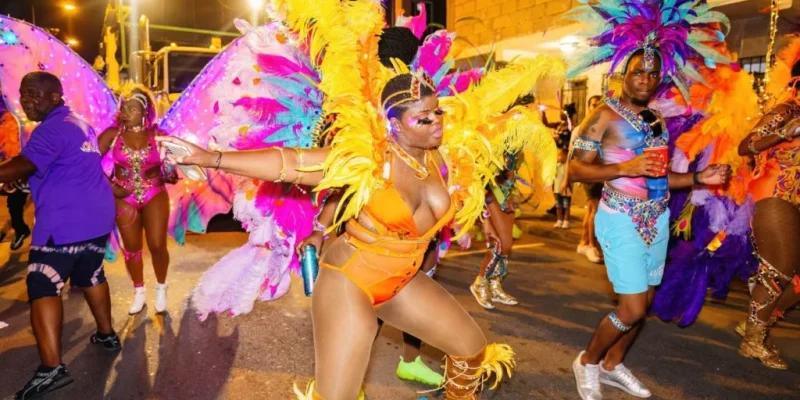
While waiting for the "jours gras" (fat days), when the festivities reach their peak, the groups parade on Sundays in a display of colors, themes and costumes that vary from group to group.
Between Martinique and Guadeloupe, there are a few differences in the parades.
In Martinique, the "Bwadjak" (old made-up cars) will surprise the crowds again this year, with young people parading around in old made-up cars that make remarkable floats! 
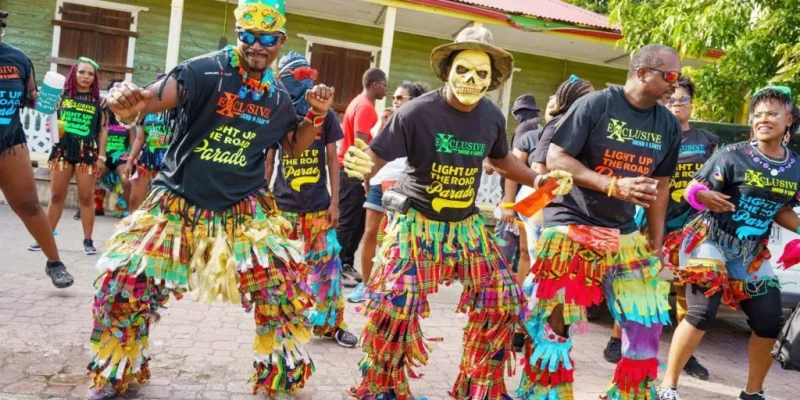
The free and spontaneous participation of the public characterizes Martinique's carnival, with the people parading in bright or exuberant outfits alongside the organized groups.
A recent mas, that of the "clay men" (they coat their bodies with clay), was "born" in 2000 in Les Trois Ilets, the cradle of artisan pottery. 
In Guadeloupe, the "Mas a Te é Feyaj" (Mask of clay and foliage) resembles it. Dried banana leaves cover the "Marian lapofig" figure that twirls in parades in Martinique and, in Guadeloupe, is called the "Mas a con'n" (Horned Mask).
carnaval-parade-costumes-identite-saint-martin
Related events 
Carnival is a time of many events. 
Queen elections are held on every island, and even in every commune. 
Mini-Queens are elected in St Martin and Martinique, as well as the Queen Mother.
A special feature of Martinique, the "Kings of the Sape" are elected from among the most elegant gentlemen...
Shrove Monday is often the day of the schoolchildren's parade. In the streets, burlesque weddings take place: couples made up of men dressed as women and women dressed as men, present themselves to the delight of all before the priest and registrar. 
In Martinique, pajama parties are sometimes held on Shrove Monday evening, while in Guadeloupe, they take place on Shrove Tuesday morning.
Shrove Tuesday
The main carnival day kicks off at 5 a.m. with a big pajama party. This is followed by a series of shimmering parades until the evening. On this day, traditionally, everyone must parade in red in Martinique and in red and black in Guadeloupe.
The Red Devil or Ice Devil is spectacular with his horns and mirrors, accompanied by all his imps!
Ash Wednesday
On Ash Wednesday, the "guiablesse" mourns Vaval, dressed in black and white (Martinique). This is the day of the "vidé an nwè é blan" (black and white deboulé) followed by the "mô é lantèwman a vaval" (death and burial of Vaval). 
The "Nèg gwo siro", present in all the islands, frighten the public by threatening to coat them in black too!
Mid-Carême Thursday is celebrated in Guadeloupe with red and black parades.
Carnival gives us the opportunity to let off steam, to let go. It's culturally rooted in the traditions of certain peoples, such as the West Indians, but anyone can do the same, as a way of "exorcising" all frustrations - and there are plenty of them these days! It's a tradition that finds its explanation and justification in today's society, where the yoke to be mocked isn't as blatant as it used to be, but each of us carries one in our heart. Together, let's take the "Mas"!
image
A SMALL PANORAMA OF TRADITIONS
 
GUYANE
The touloulou is the queen of the carnival. This character represents the bourgeois women of the 18th and 19th centuries. She's a lady dressed elegantly from head to toe. These are usually women with not an ounce of skin visible. She wears a petticoat, a hood, a wolf and long gloves. To avoid being recognized, the women go so far as to wear colored contacts, wigs and disguise their voices. They parade in the streets and take part in masked balls.
In nightclubs, renamed "universities" for the occasion, it's the touloulous who invite the men to dance. They can't refuse.

CARNAVAL DE MARTIN
In the French part of the island, carnival festivities begin on Epiphany Sunday and end on Ash Wednesday. During this period, it's not uncommon to see children dressed up in costumes, "begging" motorists for sweets. In the evening, concerts are organized featuring local artists. On the last day, devils and she-devils parade through the streets to the sound of tom-toms. At the end of the day, Vaval, the King of Carnival (known locally as Bois-Bois), is burned before being thrown into the sea to the cheers of the crowd. In April, the Dutch part of the island of Saint-Martin also celebrates Carnival.
 
ST BARTH CARNIVAL
Carnival festivities begin on Epiphany Sunday. Groups are busy building their floats and making their costumes. Parades are held every Sunday until Ash Wednesday.
Dimanche Gras kicks off the week's festivities, and a sense of excitement begins to build.
The first disguises are unveiled and the music starts.

Creole houses

case creole

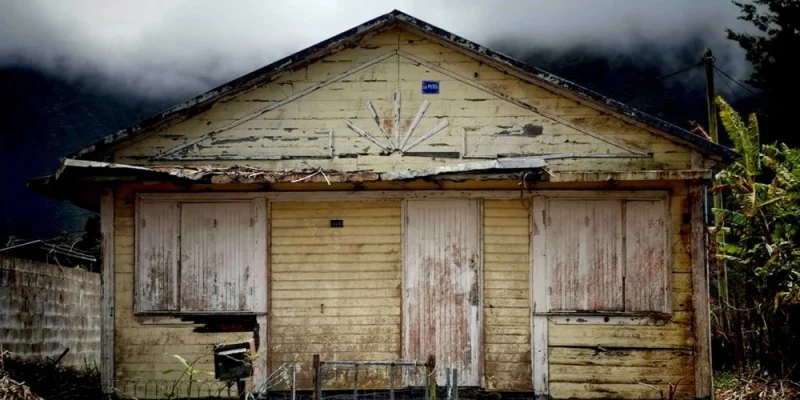
The architecture of Saint-Martin/Sint-Maarten is marked by its many influences. The island's beautiful mansions have been transformed into museums, bearing witness to the slavery period. On the French side, you'll see Creole huts built to withstand hurricanes. Many are two-storey, three-storey maximum, made of wood and stone, and often painted in bright colors. On the Dutch side, an Americanized touch is added to the half-timbered buildings.

Religions

There are many religions on the island. Its particular history and population (120 nationalities) explain the presence of over 50 religions, mainly Christian, but not exclusively. The most widespread communities are: Catholic, Anglican, Adventist, Protestant, Voodoo, Methodist, Muslim, Rasta, Hindu...
The North American influence is also very present. At nightfall, you'll hear the gospel music that makes Saint-Martin/Sint-Maarten so special in the Caribbean archipelago.)